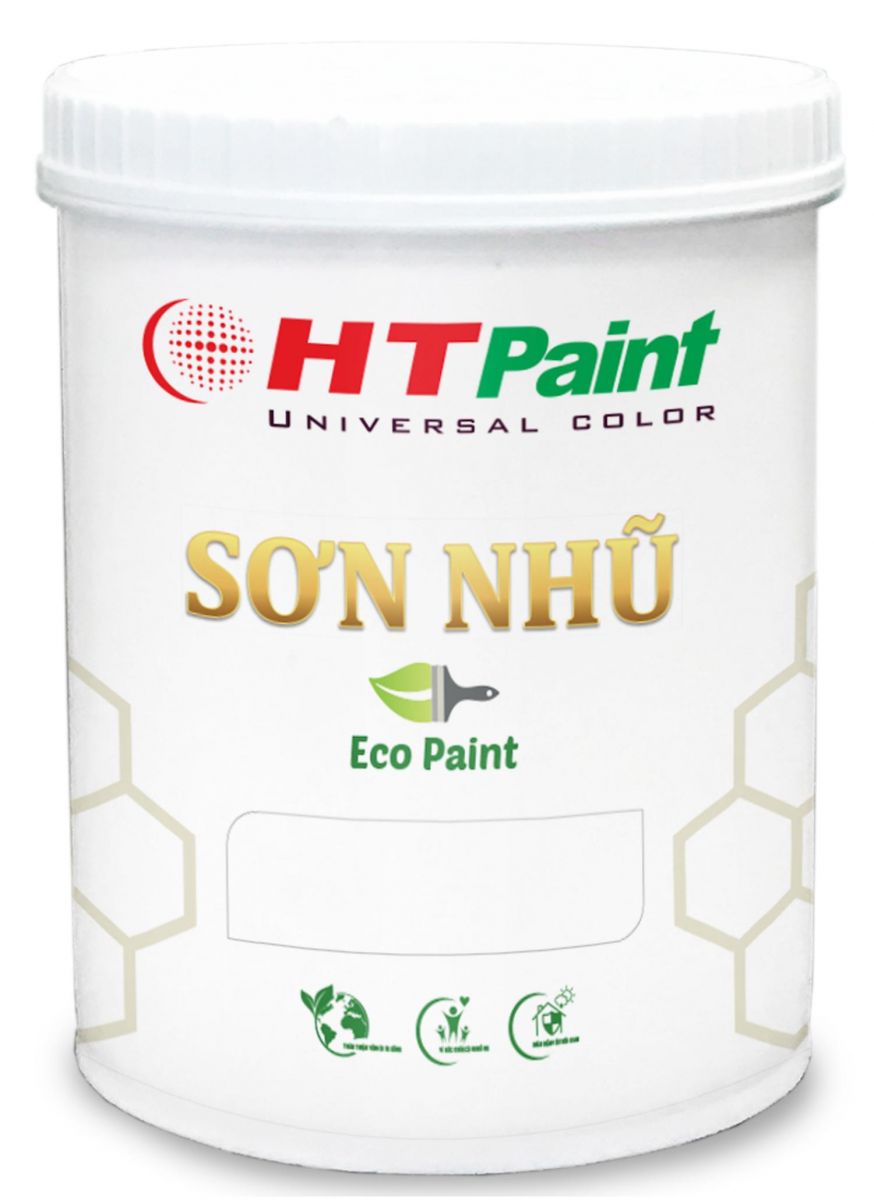
HTPAINT METALLIC PAINT
Exterior & Interior
HTPAINT metallic paint is specially formulated from pure acrylic resin combined with metallic pigments. When applied, it creates a high-gloss finishing coat with a shimmering metallic effect, offering long-lasting color durability. It is widely used for decorative architectural applications such as religious buildings, temples, monuments, hotels, and entertainment complexes.
-
Fully water-based (significantly safer than conventional solvent-based systems)
-
Excellent UV resistance and outstanding weather durability
-
Colorfast, resistant to algae and mold growth
-
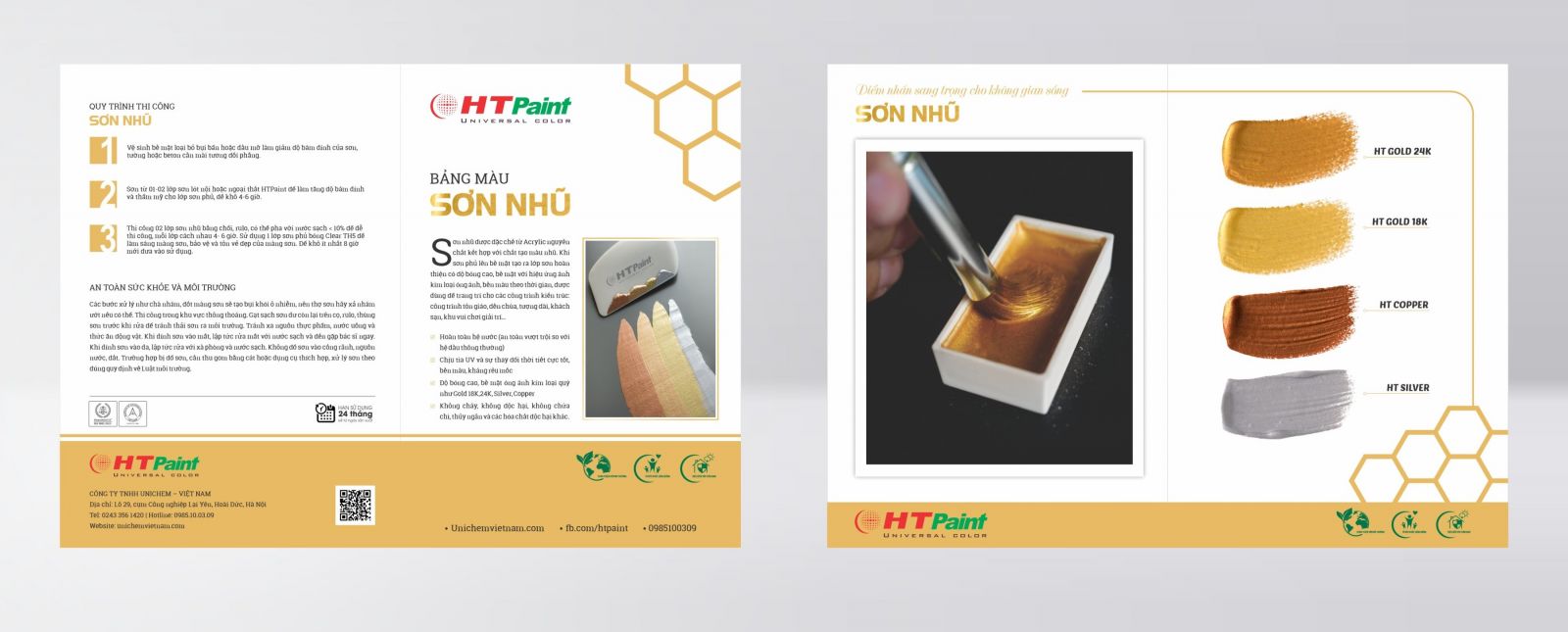
High gloss with a luxurious metallic sheen such as 18K Gold, 24K Gold, Silver, Bronze
-
Non-flammable, non-toxic, free from lead, mercury, and other hazardous chemicals
TECHNICAL SPECIFICATIONS
- Theoretical Coverage (per coat): 8–10 m²/L
- Surface Drying Time: 60–120 minutes
- Complete Dry Time: 6–8 hours
- Dilution with Clean Water: Up to 10%
BASIC COMPOSITION
- Film-forming agent (Binder): 90% (vol.)
- Color pigments: 8–10%
- Additives: 2% (vol.)
APPLICATION INSTRUCTIONS
- Clean the surface thoroughly to remove dust, oil, grease, or any substances that may reduce paint adhesion. Walls or concrete surfaces should be lightly ground to achieve a relatively smooth finish.
- Apply 1–2 coats of HTPaint interior or exterior primer to enhance adhesion and aesthetic quality. Allow to dry for 4–6 hours.
- Apply 2 coats of metallic paint using a brush or roller. The paint may be diluted with clean water up to <10% for easier application. Allow 4–6 hours between coats.
- Apply 1 coat of TH5 Clear Gloss Topcoat to enhance brightness, protect the finish, and highlight the beauty of the coating film. Allow to dry for at least 8 hours before putting the surface into service.
STORAGE
Keep out of reach of children and pets.
Store in a dry, cool, well-ventilated place with cover. Keep containers tightly sealed.
HEALTH, SAFETY & ENVIRONMENTAL INFORMATION
Processes such as sanding or burning off paint films may generate dust and fumes that cause environmental pollution; painters are advised to use wet sanding whenever possible. Apply in well-ventilated areas. Remove excess paint from brushes, rollers, and containers before washing to prevent paint discharge into the environment. Keep away from food, drinking water, and animal feed. In case of eye contact, rinse immediately with clean water and seek medical attention. In case of skin contact, wash immediately with soap and clean water. Do not discharge paint into drains, water sources, or soil. In the event of a spill, collect using sand or suitable absorbent materials and dispose of in accordance with environmental protection regulations.


.png)